Editor's Advice
Clash of Critters: A Multifaceted Adventure in Strategy and Creature Collection
Clash of Critters emerges as an engaging portal into a vibrant world where creature collection meets layered strategy in unexpected ways. At first glance, it may evoke memories of familiar fantasy adventures, yet the gameplay quickly establishes its own identity with a blend of tactical placement, resource management, and auto-combat mechanics. The experience draws players into a kaleidoscope of colors, intricate enemy waves, and a dynamic system that challenges both casual enthusiasts and tactical strategists alike. Every detail, Covering everything from initial character sketches to the fully realized in-game elements mechanics, is crafted to both amuse and challenge, inviting new players to immerse themselves in a multifaceted adventure that defies initial expectations.
Dynamic Game Mechanics and Core Dynamics
Central to the essence of Clash of Critters lies a robust system that marries creature collection with strategic defense. Players embark on an expedition where collectible critters, known as Tatari, are recruited from capsules rather than traditional capturing methods. This process immediately diverges from typical expectations seen in other creature-collection titles and introduces tactical depth. Once acquired, each Tatari possesses unique attributes and roles such as DPS, tank, guardian, support, and specialist, all essential to forming an effective lineup on the battlefield. The game favors a rock-paper-scissors approach to elemental combat, with a careful balance between water, fire, leaf, earth, and lightning providing layers of complexity. With auto-battler mechanics reminiscent of strategic grid placements, every decision influences the unfolding battle, encouraging players to experiment with various formations and adjust their approach to the ever-changing challenges.
Vibrant Visuals and Artistic Expression
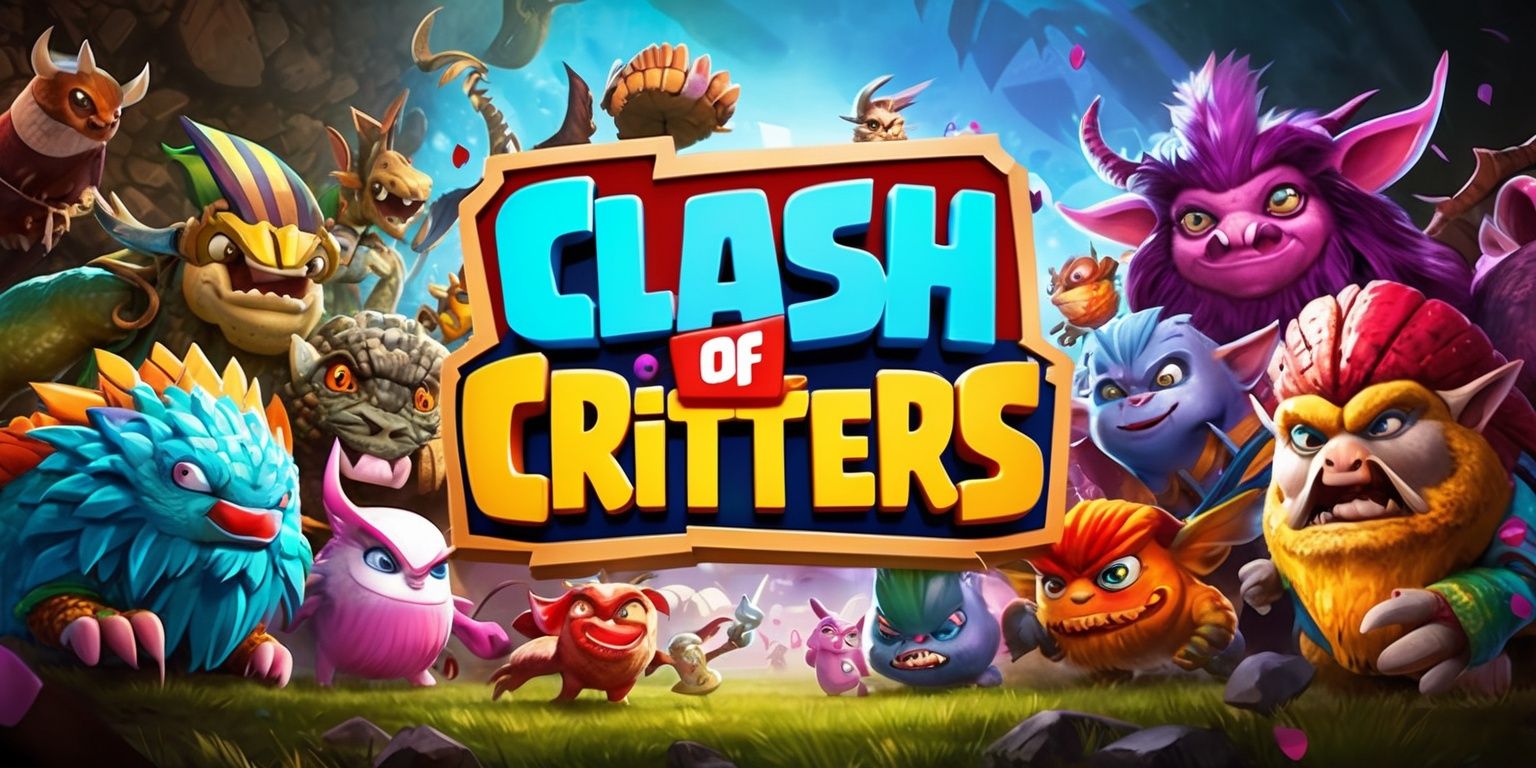
The aesthetic aspect of Clash of Critters is as remarkable as its gameplay depth. The art style is intentionally vivid, employing a portrait mode that captivates the imagination with striking color palettes and meticulously designed character animations. Each level bursts with charm, inviting players into a world "that is both user-friendly and intricately detailed". Every Tatari character is depicted with its own unique flair, making the process of collection feel rewarding beyond mere statistics. The user interface blends Blending flawlessly into the overall design, guaranteeing that even when information density is high, the presentation remains engaging and coherent. Such visual finesse complements the strategic elements, creating an environment where tactical decisions are underscored by an artistic narrative that draws players ever deeper into its enchanting universe.
Innovative Creature Collection and Deployment
Breaking away from conventional monster collection, Clash of Critters presents a unique twist with its Tatari system. These critters are not only numerous in variety but also bring distinct capabilities that influence overall strategy. The process of acquiring Tatari through capsules is intertwined with the game's resource system, introducing a layer of excitement as players manage and upgrade their units. The differentiation in roles means that every character contributes differently in combat settings. Strategic deployment on the battlefield becomes crucial since their automatic combat actions hinge on proper positioning. The dynamic relationships between these characters create a need for balanced team compositions and thoughtful planning, reinforcing a gameplay loop where continuous evolution of units through duplication and upgrades is essential to making progress. By encouraging players to focus on refining and consolidating their favorite units, the game delights in rewarding perseverance and strategic foresight.
Strategic Combat Layers and Elemental Interactions
Combat in Clash of Critters is a multifaceted affair, reliant on a system of elemental affinities and role-specific functions. Each engagement It serves as an examination of tactical prowess, compelling players to… consider how water, fire, leaf, earth, and lightning interact on the battlefield. The system incorporates a clear hierarchy where elements have defined advantages over one another, requiring a constant assessment of opponent weaknesses. In addition, visual cues—such as icons indicating optimal grid placement—serve to guide players as they determine whether their chosen formations and lane choices are sound. This blend of auto-combat and deliberate tactical positioning yields a dynamic environment where players learn quickly "that achievement hinges on a blend of well-conceived strategic planning and the" innate synergy among their Tatari. As enemy waves escalate in complexity, the importance of nuanced combat decisions remains central to overcoming the perpetual challenges encountered.
Integration of Auto-Chess and Tower Defense Elements
The combination of auto-chess mechanics with traditional tower defense elements elevates Clash of Critters into a distinctive strategic landscape. Once deployed onto the combat grid, Tatari operate with automated precision, engaging enemy waves in a battle of attrition that demands premeditated placements and smart resource allocation. This system takes cues from the best of both genres, requiring players to not only consider defensive fortifications but also the intricate timing of unit engagements. The anticipation of enemy locations, set against a backdrop of strategic placements, transforms each level into a living puzzle. This innovative hybrid approach forces the player to continuously evaluate and adjust their strategy on the fly, creating a tension-filled experience where every unit’s role is magnified by its positioning on the grid. The interplay between active decision-making before battle and automated actions during it ensures that the gameplay remains continually layered and deeply compelling.
Resource Management and the Pinball Mechanism
Central to the progression in Clash of Critters is the resource system, which intriguingly revolves around a pinball mechanism. Rather than conventional in-game currencies, players are tasked with managing pinballs that fuel essential upgrades and resource exchanges. This system is ingeniously linked to both the in-game pinball machine and the operations of the camp, where building and structures play a pivotal role. The challenge lies in balancing resource generation Prompted by the necessity to extend and modernize the team. The pinball mechanism adds an element of timing and probability to the overall experience, as adept management can lead to advantages in both combat and progression. Players will find that patience and quick adaptation are as significant as strategic combat positioning, with each pinball contributing to a larger objective that intertwines resource collection with tactical growth.
Mastering Intense Encounters with Formidable Foes
Every tenth stage in Clash of Critters introduces the pressure and thrill of a boss encounter, demanding that players refine and sometimes completely overhaul their strategies. These encounters are far from routine; they are designed to test a player’s understanding of unit roles and the dynamics of elemental combat. In these moments, even small adjustments—such as integrating a healer into the lineup—can redefine the outcome of the battle. The anticipation of a boss fight cultivates a mindset of preparation, as players must consider not only the attributes of enemy units but also the spacing and positioning of their own Tatari. These challenging fights enrich the gameplay experience by forcing a reevaluation of tactics, encouraging creative problem solving and a dynamic shift in team composition. The occasional necessity to reassess and reconfigure team strategies injects a fresh layer of excitement and encourages continual learning.
Team Composition and Role Synergy in Detail
Crafting a successful approach in Clash of Critters requires more than a collection of powerful units; it hinges on forming a harmonious team where each member’s role is in tune with the overall strategy. As players gather Tatari, they gain access to a spectrum of roles ranging from guardians who hold the line to specialists who deal precise damage at crucial moments. The game’s interface supports this strategic nuance by offering visual markers and role indicators that help in aligning team composition with upcoming challenges. Success in battles—especially when confronting high-stakes situations—often comes down to minor adjustments in team makeup. This rewards players who invest time in Grasping the intricate interplay between aggressive maneuvers and defensive strategies, and who are prepared to substitute or enhance units when necessary. As the campaign unfolds, the continuous evolution of team dynamics keeps the gameplay ever engaging and fresh.
Daily Engagement and Seasonal Challenges
Clash of Critters emphasizes the importance of daily participation through a series of routine tasks and Temporary events that inject fresh energy into the game constant activity. Daily quests serve as an accessible entry point for accumulating resources needed to power up Tatari and fortify camp defenses. Beyond regular dailies, the game features special events such as camp raids and challenge dungeons, each offering unique rewards and strategic variations that keep the experience lively and unpredictable. These dynamic encounters are designed to elevate player engagement, as each event potentially shifts strategic priorities and affects resource management decisions. With an ever-present backdrop of timed challenges and seasonal rewards, players are encouraged to log in frequently, ensuring that every session contributes incrementally to the broader campaign of growth and tactical mastery.
Strategic Duplication and Progressive Upgrades
A critical strategy for players in Clash of Critters revolves around focusing on duplicate units once a reliable core roster has been formed. Duplication plays a key role in evolving and unlocking further potential within the Tatari, allowing for enhanced capabilities and improved resilience in battle. Players quickly learn that chasing new acquisitions may sometimes be less effective than consolidating and upgrading existing members. This focused strategy not only streamlines the process of overcoming higher-level challenges, but it also deepens the tactical element by forcing decisions on how best to invest resources. Upgrades contribute Plays a pivotal role in boosting the team's overall effectiveness, making them indispensable for navigating the more intricate layers of the game. Investing in familiar units ensures that growth is steady and measured, reflecting the broader themes of strategic foresight and resourceful management that define the game’s progressive journey.
Camp Building and Strategic Outpost Management
Outside the direct obstacles encountered on the battlefield, …, Clash of Critters extends its strategic scope through the management and development of a personal camp. This area functions as both a resource hub and a defensive outpost. Players are tasked with constructing and upgrading an array of structures that contribute to the generation of pinballs, the currency that fuels further advancements. The camp management aspect injects a management simulation feel into the core gameplay, prompting decisions that balance immediate tactical needs with long-term progression goals. Upgrades are not merely cosmetic; they significantly alter the efficiency with which resources are gathered, thereby impacting the overall strength of the player’s forces. Choosing when and where to invest in camp infrastructure becomes a strategic decision in itself, Injecting another dimension of complexity into the existing foundation multifaceted experience presented by Clash of Critters.